
This is part two in a four-part series on the elements of fantasy writing. As a refresher, the first part covered the basic elements of a fantasy novel. This second part focuses on subgenres.
First, let’s talk about what I mean when I say fantasy fiction . . .
What separates fantasy from science fiction and speculative fiction?
Fantasy itself is often included under the umbrella term speculative fiction alongside science fiction. This is a nice way to organize these three, but I like to think of them as distinct genres.
Fantasy: Fiction that takes place in either a made-up world or our world with fantastical elements is fantasy fiction. The setting can vary, but one thing remains the same: There is some form of magic in this world that the characters interact with in some capacity. The Game of Thrones series, by George R. R. Martin, is a good example of fantasy fiction.
Science Fiction: Science fiction can also take place in a made-up and/or alternate world, but it doesn’t (usually) have magic. Instead, it relies on elements like time-travel, technology, or advanced science to differentiate it from our real world. Many times, science fiction takes place in outer space, on other planets, or in an alternate reality from our own world. The Martian, by Andy Weir, is a good example of science fiction.
Speculative Fiction: The word “speculative” infers a desire to ask “what if . . . ?” Speculative fiction depicts scenarios in which the author asks “what if we changed this one thing about ourselves or our world?” So, if a book isn’t fantasy or science fiction, but it still has a speculative element (which could verge on the magical), I would categorize it as speculative fiction. An example is The Handmaid’s Tale, by Margaret Atwood.
What are Fantasy Subgenres?
Reedsy lists fifty fantasy subgenres. While I think this is a little overwhelming—and I wouldn’t include genres like magic realism as a subset of fantasy—it goes to show how diverse the genre is. The following descriptions cover some of the common fantasy subgenres; it is by no means a complete list. It should be also be noted that subgenres can be mixed with each other and other fiction genres.
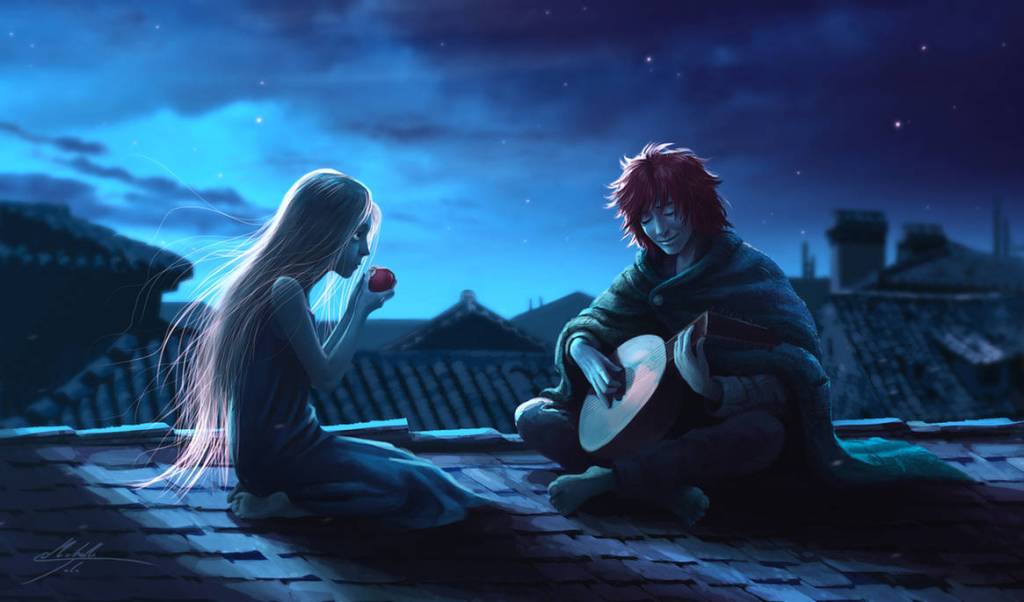
High and Epic Fantasy: High and epic fantasy are mostly interchangeable. Both take place in either a secondary or alternate world (as opposed to our primary world) that has a magic system with its own rules and laws. The hero or heroes of the story are well developed, and there is usual quite a cast of characters. The main difference is slight: Epic fantasy leans slightly on the “epic” events (plot), while high fantasy is more character-driven.
Characteristics: well-developed secondary world (usually with a map), long journeys, medieval-esque setting, magical creatures, tropes that focus on a hero or heroine
Example: The Name of the Wind, by Patrick Rothfuss
Dark Fantasy: Dark fantasy incorporates elements of horror into the story. Supernatural or paranormal characters that instill fear in the reader, such as vampires and werewolves, are present in dark fantasy. These stories can take place in a primary or secondary world; however, the amount of darkness determines how dark it is. You can write a contemporary fantasy novel with werewolves that might not fall completely in the dark fantasy genre.
Characteristics: things related to death (ghosts, graves, zombies, etc.), supernatural creatures, suspenseful plots
Example: Prince of Thorns, by Mark Lawrence
Grimdark Fantasy: Morally gray characters rule the grimdark fantasy genre. The story can take place in a dystopian, or similar, world. Whereas Tolkien-esque fantasy revolves around a noble quest, grim dark fantasy emphasizes the lack of hope in a gritty, er, grim, landscape.
Example: The Poppy War, by R. F. Kuang
Low Fantasy: As opposed to high fantasy, which takes place in a secondary or alternative world, low fantasy takes place in a normal world with intruding fantastical elements. Characters are usually going about their normal, everyday business when something magical interrupts it. Stories in this subgenre are usually contemporary in nature.
Characteristics: secretive magic, discovery of magic, real-world setting with magical influences, supernatural creatures
Example: American Gods, by Neil Gaiman
Hard Fantasy: This is not to say the story is necessarily high or epic, but the worldbuilding is so rich and complex, the story is actually hard to follow. Wait, who was that just speaking? What were they walking about?
Characteristics: complex storylines, strong characters, a prominent (but not necessarily hard) magic system
Example: The Throne of Five Winds, by S. C. Emmett
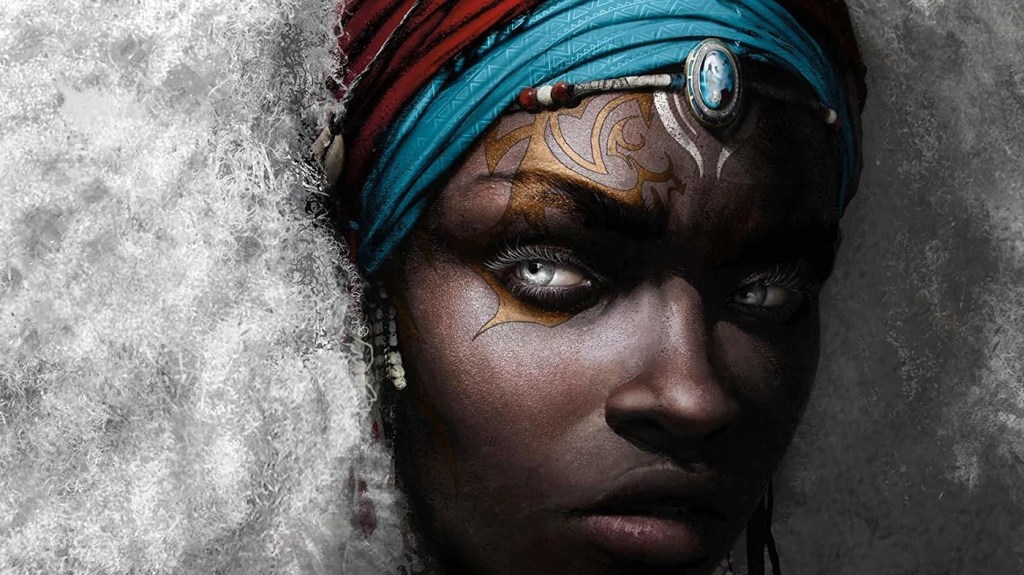
YA Fantasy: Fantasy written for a teenage audience is YA fantasy, but many adults read it, too. It can fall into other subgenres of fantasy, and it typically has themes that teenagers can relate to: coming of age, education, romance, independence, family or mental health struggles, and/or adventure.
Characteristics: young adult characters, discovery of a magical power, love interests, orphan protagonists
Example: Children of Blood and Bone, by Tomi Adeyemi
Middle Grade Fantasy: Middle grade fantasy is geared readers ages 8 to 12, and similarly to YA fantasy, it usually includes themes that kids (or adults!) can relate to. For middle grade, the most successful books tackle issues like compassion, tenacity, and independence.
Characteristics: strong themes of “doing the right thing,” independent protagonists, pre-teen protagonists, school settings
Example: Paolo Santiago and the River of Tears, by Tehlor Kay Mejia
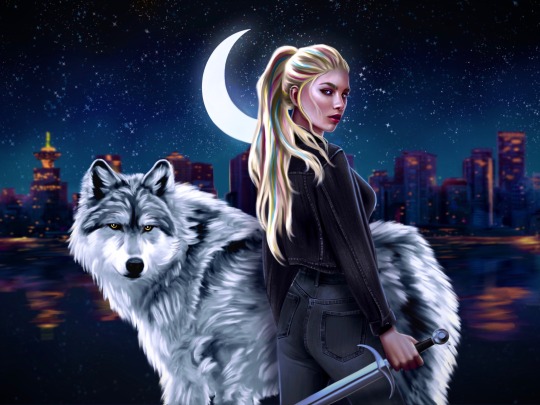
Urban Fantasy: Similar to low fantasy, urban fantasy has supernatural characters in a modern-style world. The difference is that in urban fantasy, the world doesn’t need to be our primary world; it can be entirely made-up. It just needs to be in an urban setting that acts almost like another character in the story.
Characteristics: large cities as setting, colloquial language, modern technology, layers of society (e.g., underworld of supernatural beings)
Example: House of Earth and Blood, by Sarah J. Maas
Fairytale Retellings, Folklore Fantasy, and Mythic Fantasy: Fantasy novels based on existing stories, such as fairytales, lore, or myths, are in these respective subgenres. The retelling can be historic, contemporary, or in a secondary world. Authors who retell one of these existing stories often work with the known elements of the story, but modify it for their purposes. For example, the stories can be updated for our current society or told from a different character’s point-of-view while including some of the same plot elements.
Characteristics: curses, evil protagonists, nature as a refuge, nature as a source of darkness, romance, witches
Example: Circe, by Madeline Miller
Romantasy: The merging of romance and fantasy is dubbed “romantasy.” Sometimes called romantic fantasy (slightly more fantasy than romance) or fantastic romance (slightly more romance than fantasy), the central conflict in these fantasy novels is based on love and relationships. This subgenre can blend with many of the other subgenres (e.g., dark romantasy, low romantasy, or urban romantasy).
Characteristics: politics, sex, strong female characters, romance tropes
Example: From Blood and Ash, by Jennifer L. Armentrout
LGBT Fantasy: Fantasy with main characters who identify as LGBT+ fall into this subgenre. Often, the theme is romantic, but it doesn’t have to be. These books can crossover with other fantasy subgenres.
Characteristics: LGBT+ protagonist or major character, exploration of sexuality, mythological references, gender commentary
The House of the Cerulean Sea, by T. J. Klune
Historical Fantasy: While the events in historical fantasy don’t need to be based on real history (e.g., Arthurian fantasy), the setting is one of a somewhat realistic past. The story is usually set within a specified historic period, typically before the 20th century, and incorporates elements of fantasy that interact with the plot.
Characteristics: historical or mythological influences, dragons, magicians, politics
Example: To Shape a Dragon’s Breath, by Moniquill Blackgoose
Contemporary Fantasy: Contemporary fantasy takes place during modern times (or the modern time of the author). Unlike urban fantasy, which can take place in a made-up world, contemporary fantasy usually has a tie-in with our real world. Contemporary fantasy can have high or low fantasy elements.
Characteristics: references to a real world setting, intruding magic, division between humans and the fantastical characters
Example: The Book Eaters, by Sunyi Dean
Sword and Sorcery: This subgenre is what most people think of when they think of fantasy: swords, battles, and wizards. The plot is driven by a sword-wielding hero that is battling something evil (think Conan the Barbarian). Historically, the hero was typically, but not always, male. Recently, more female-driven sword and sorcery tales are common.
Characteristics: action, battles, morally gray characters, heroes
Example: The Fourth Wing, by Rebecca Yaros
Why Understanding Subgenre is Important
Not every fantasy fan reads widely within the fantasy genre, and while there is crossover between subgenres, each has its own unique audience (more on this in an upcoming post!). For instance, you are likely not going to have a 13-year-old protagonist in a grimdark fantasy because most 13-year-olds are not reading in this subgenre.
When you know your subgenre, you will better understand the areas on which you should focus. Your descriptions of the physical setting in a grimdark fantasy will likely be grittier and more visceral than that in a romantasy. Depending on your subgenre, you can also focus on appropriate tropes that are popular for that subgenre. Even your characters themselves should have traits that make them more appealing to your readers.
The best way to understand your subgenre is to read in that subgenre: Pick up some of the top books released in the last few years and take notes on the characters, the dilemmas, and the setting.
Coming Up Next . . .
The next post on this topic will cover tropes. That is not to say you need to develop certain aspects of your fantasy novel before others, but that they all work together to form your creative story.
Did I forget something? What makes fantasy writing stand out to you? What do you like or don’t like about it? Please share your thoughts and helpful resources in the comments.
Do you need help figuring out where your story is lacking?
 Leah Boyer